
Understand Cognitive Disorders: Types, Symptoms, Examples, and Treatment Explained
What Are Cognitive Disorders?
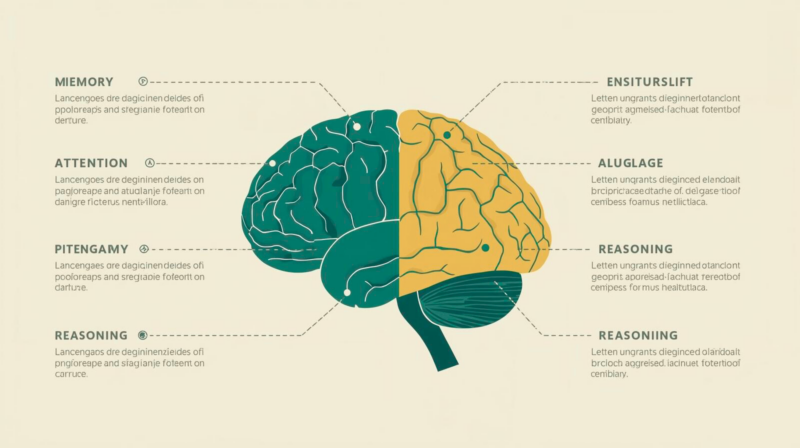
Cognitive disorders are conditions that impair a person’s ability to think, learn, remember, reason, or make decisions. These disorders affect mental processes such as memory, attention, language, perception, and problem-solving.
Thank you for reading this post, don't forget to subscribe!Cognitive disorders are not a normal part of aging, although some age-related cognitive decline can occur. When cognitive impairment interferes with daily functioning, work performance, or social interactions, it is considered a cognitive disorder.
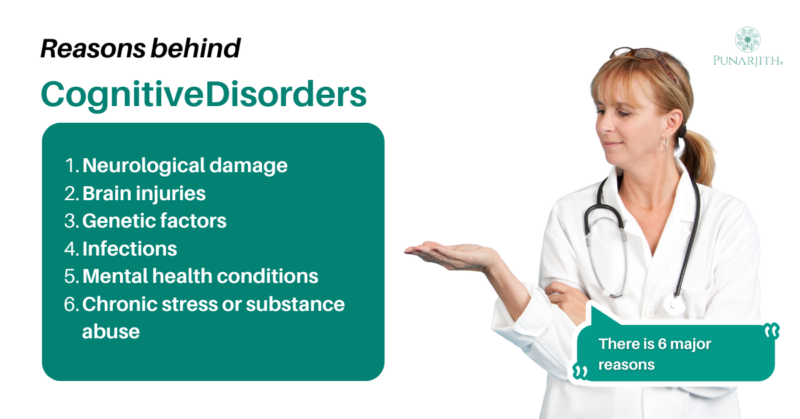
These conditions may result from:
-
Neurological damage
-
Brain injuries
-
Genetic factors
-
Infections
-
Mental health conditions
-
Chronic stress or substance abuse
Types of Cognitive Disorders
Cognitive disorders can be broadly classified based on severity, cause, and progression.
1. Neurodegenerative Cognitive Disorders
These worsen over time due to progressive brain damage.
-
Alzheimer’s disease
-
Parkinson’s disease dementia
-
Huntington’s disease
2. Vascular Cognitive Disorders
Caused by reduced blood flow to the brain.
-
Vascular dementia
-
Post-stroke cognitive impairment
3. Developmental Cognitive Disorders
Present from early life and affect learning and intellectual abilities.
-
Intellectual disability
-
Learning disorders
4. Acquired Cognitive Disorders
Occur due to injury or illness later in life.
-
Traumatic brain injury (TBI)
-
Cognitive impairment due to infections or tumors
5. Mild Cognitive Disorders
Early-stage conditions that may or may not progress.
-
Mild Cognitive Impairment (MCI)
Cognitive Disorder Examples
Some commonly diagnosed cognitive disorders include:
-
Alzheimer’s disease – Progressive memory loss and confusion
-
Dementia – A general term for severe cognitive decline
-
Delirium – Sudden, temporary confusion often caused by illness or medication
-
Amnestic disorders – Severe memory impairment
-
Attention deficit disorders – Difficulty maintaining focus and attention
-
Language-related cognitive disorders – Aphasia and communication difficulties
Each example differs in cause, severity, and treatment approach.
Cognitive Disorders Symptoms
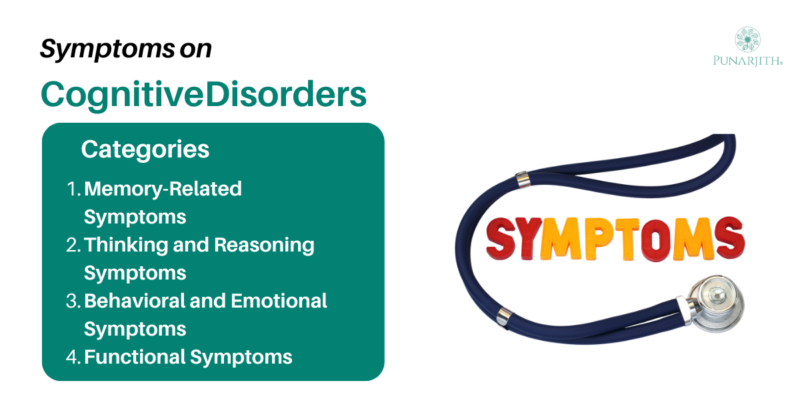
Symptoms vary depending on the type and stage of the disorder, but common signs include:
Memory-Related Symptoms
-
Forgetting recent events or conversations
-
Repeating questions
-
Misplacing items frequently
Thinking and Reasoning Symptoms
-
Difficulty solving problems
-
Poor judgment
-
Slower thinking speed
Behavioral and Emotional Symptoms
-
Mood changes
-
Anxiety or depression
-
Social withdrawal
Functional Symptoms
-
Difficulty performing daily tasks
-
Trouble managing finances or work responsibilities
Early recognition of symptoms improves treatment outcomes.
Cognitive Disorders in Adults
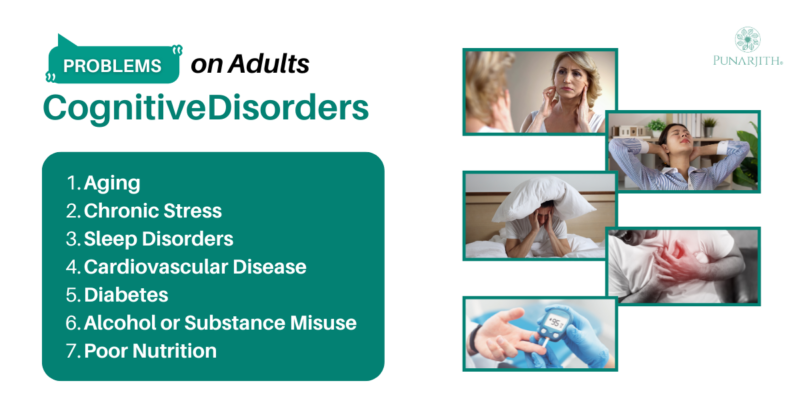
Cognitive disorders in adults may develop gradually or suddenly. Risk factors include:
-
Aging
-
Chronic stress
-
Sleep disorders
-
Cardiovascular disease
-
Diabetes
-
Alcohol or substance misuse
-
Poor nutrition
Adults experiencing persistent cognitive difficulties should seek professional evaluation, as early intervention can slow progression and improve quality of life.
Cognitive Disorders Treatment
Treatment depends on the underlying cause and severity of the condition.
Medical Treatment
-
Medications to slow cognitive decline
-
Treatment of underlying conditions (hypertension, diabetes, infections)
Get Ayurvedic treatment for cognitive disorders
Therapeutic Approaches
-
Cognitive behavioral therapy (CBT)
-
Cognitive rehabilitation
-
Speech and occupational therapy
Lifestyle and Supportive Care
-
Brain-stimulating activities
-
Regular physical exercise
-
Balanced nutrition
-
Stress management
-
Adequate sleep
Preventive and Integrative Approaches
-
Mindfulness practices
-
Memory training
-
Holistic and traditional wellness systems (where applicable)
A multidisciplinary approach yields the best results.
.
Know more about the Effect and Outcome on Cognitive Disorders
Get treatment for Cognitive Disorders
Get Ayurvedic treatment for cognitive disorders on Amazon