
Effects and Outcomes of Cognitive Disorders: From Mental Decline to Hormonal and Sexual Health Issues
Understanding the Chain Reaction of Cognitive Disorders
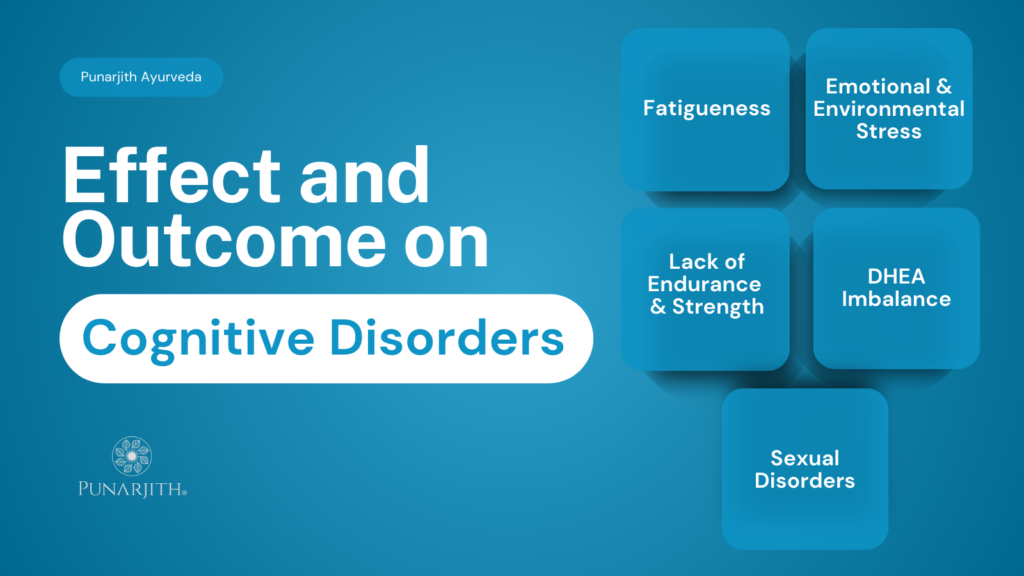
Cognitive disorders are not isolated conditions affecting only memory or attention. Instead, they trigger a progressive chain reaction across the human mind and body, impacting mental clarity, emotional stability, hormonal balance, physical endurance, and sexual health.
Thank you for reading this post, don't forget to subscribe!When early cognitive issues are ignored, they gradually evolve into complex, multi-system disorders. Understanding the effects and outcomes of cognitive disorders across different phases is critical for early intervention and long-term well-being.
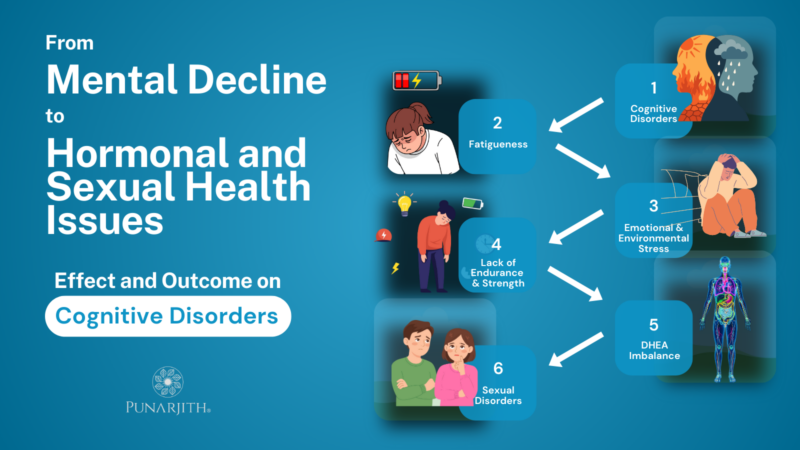
Phase 1: Cognitive Disorder – The Origin of Mind-Body Imbalance
Effect on Mental Function
The first phase begins with cognitive disorder, characterized by:
-
Memory loss
-
Reduced attention span
-
Poor concentration
-
Addictive behaviors (digital addiction, substance dependence)
At this stage, the brain struggles to process, retain, and recall information effectively. These early symptoms often go unnoticed or are dismissed as temporary stress.
Outcome
If untreated, this phase disrupts the foundation of mental health, initiating a downward spiral that affects physical and emotional systems.
Phase 2: Chronic Fatigueness and Mental Exhaustion
Effect on Energy Levels
As cognitive strain continues, the brain consumes excessive mental energy, resulting in:
-
Persistent tiredness
-
Lack of motivation
-
Reduced productivity
-
Sleep disturbances
Mental overload leads to physical fatigue, even without strenuous activity.
Outcome
Chronic fatigueness weakens resilience and reduces the body’s ability to recover, setting the stage for emotional instability.
Phase 3: Emotional and Environmental Stress Overload
Effect on Emotional Health
In this phase, individuals experience heightened sensitivity to:
-
Emotional stress
-
Workplace pressure
-
Environmental stimuli (noise, social overload)
Symptoms include:
-
Anxiety
-
Irritability
-
Mood swings
-
Social withdrawal
Outcome
Unchecked emotional stress accelerates nervous system imbalance and worsens cognitive decline, pushing the body into survival mode.
Phase 4: Lack of Endurance and Physical Strength
Effect on Physical Performance
Prolonged mental and emotional stress impacts muscle strength and stamina, leading to:
-
Reduced endurance
-
Weakness
-
Poor physical performance
-
Decreased immunity
Outcome
The body loses its capacity to sustain daily demands, making recovery slower and increasing vulnerability to chronic conditions.
Phase 5: DHEA Imbalance and Hormonal Disruption
Effect on Hormonal Health
DHEA (Dehydroepiandrosterone) is a critical hormone for:
-
Stress regulation
-
Energy balance
-
Immune strength
-
Sexual health
Chronic cognitive and emotional stress leads to DHEA imbalance, causing:
-
Accelerated aging
-
Poor stress tolerance
-
Hormonal instability
Outcome
Hormonal imbalance amplifies both mental and physical decline, affecting overall vitality.
Phase 6: Sexual Disorders and Dysfunction
Effect on Sexual Health
The final outcome of untreated cognitive and hormonal imbalance manifests as:
-
Reduced libido
-
Erectile dysfunction
-
Sexual fatigue
-
Reproductive health concerns
Sexual dysfunction is often the end-stage signal of prolonged mind–body imbalance.
Outcome
Quality of life, confidence, and emotional relationships are significantly affected.
The Solution: Addressing Cognitive Disorders Holistically
Integrated Mind–Body Recovery Approach
To reverse or prevent these outcomes, a comprehensive solution is essential:
1. Cognitive Restoration
-
Memory enhancement practices
-
Focus and attention training
-
Mental detox from addictions
2. Stress and Emotional Regulation
-
Mindfulness and relaxation techniques
-
Emotional resilience training
-
Environmental balance
3. Physical and Hormonal Support
-
Strength-building routines
-
Hormonal balance support
-
Adaptogenic and restorative wellness practices
4. Lifestyle Optimization
-
Quality sleep
-
Balanced nutrition
-
Consistent physical activity
A holistic approach addresses the root cause, not just the symptoms.
Conclusion: Why Early Cognitive Care Is Essential
Cognitive disorders are the starting point of a multi-phase health decline that impacts mental clarity, emotional balance, physical strength, hormonal stability, and sexual wellness. Early recognition and integrated intervention can prevent long-term damage and restore overall well-being.
-> Get Ayurvedic treatment for cognitive disorders <-