
Healthy Foods to Include in a Diabetic Meal Plan
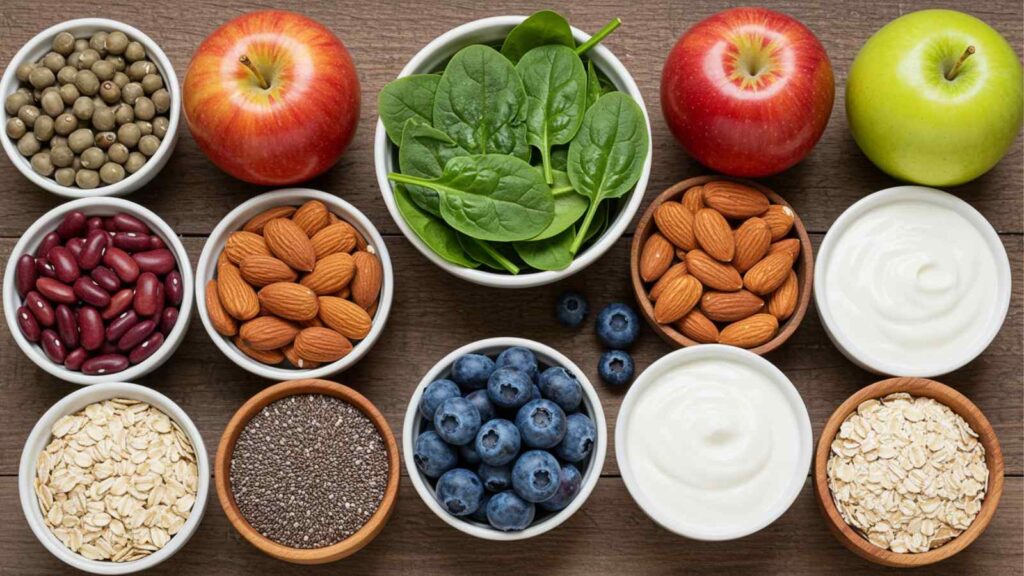
Managing diabetes requires more than medication alone. One of the most important factors in controlling blood sugar levels is maintaining a balanced and healthy diet. The foods people choose each day have a direct impact on blood glucose levels, energy, and overall wellbeing.
Thank you for reading this post, don't forget to subscribe!For individuals living with diabetes, understanding which foods support stable blood sugar levels can make a significant difference in long-term health. Many people assume that a diabetic diet is highly restrictive, but the reality is that it focuses on choosing nutrient-rich foods that provide steady energy without causing rapid spikes in blood glucose.
Healthcare experts at Punarjith Ayurveda Hospital often emphasize the importance of including foods that are rich in fiber, essential vitamins, minerals, and healthy fats. These nutrients help improve overall metabolic health and support better blood sugar control.
Below are several foods that can be beneficial when planning a healthy diabetic meal plan.
1. Beans and Lentils
Beans and lentils are excellent additions to a diabetic-friendly diet. Popular varieties such as kidney beans, chickpeas, black beans, and lentils provide a combination of fiber, plant-based protein, and complex carbohydrates.
These foods have a low glycemic index, which means their carbohydrates are digested slowly. As a result, glucose enters the bloodstream gradually instead of causing sudden spikes in blood sugar.
Beans are also rich in fiber, which helps support digestion and promotes a feeling of fullness. This can help reduce overeating and contribute to maintaining a healthy body weight. Maintaining a balanced weight is an important factor in managing diabetes effectively.
Beans and lentils can be included in soups, salads, curries, or mixed with vegetables for a nutritious and satisfying meal.
2. Apples
Fruits are often misunderstood in diabetes nutrition, but many fruits can be enjoyed in moderation. Apples are a good example of a fruit that can be part of a balanced diabetic diet.
Apples contain dietary fiber and vitamin C, along with beneficial plant compounds that support overall health. Because apples have a relatively low glycemic index, they help release sugar slowly into the bloodstream.
The fiber present in apples also helps regulate digestion and may assist in controlling hunger between meals. This makes apples a convenient and healthy snack option.
It is generally better to eat whole fruits rather than fruit juices, since whole fruits provide fiber that slows the absorption of natural sugars.
3. Almonds
Almonds are a nutritious food that offers multiple benefits for people managing diabetes. They are rich in healthy fats, protein, fiber, and important minerals such as magnesium.
Magnesium plays an important role in how the body processes glucose and uses insulin. Adequate magnesium intake may support improved insulin sensitivity and help regulate blood sugar levels.
Almonds also provide healthy monounsaturated fats that support heart health. Since individuals with diabetes may have an increased risk of heart disease, including heart-healthy foods such as nuts is beneficial.
A small portion of almonds can serve as a healthy snack and provide long-lasting energy throughout the day.
4. Spinach and Leafy Greens
Leafy green vegetables such as spinach are among the healthiest foods available. They are low in calories and carbohydrates but packed with essential nutrients.
Spinach contains vitamins A, C, and K, along with minerals such as magnesium and potassium. These nutrients support many important body functions, including maintaining healthy blood pressure and metabolic balance.
Because spinach is rich in fiber and low in carbohydrates, it has minimal impact on blood sugar levels. This makes it an ideal food choice for individuals with diabetes.
Leafy greens can be used in a variety of ways, including salads, cooked vegetable dishes, soups, or smoothies.
5. Chia Seeds
Chia seeds are small but extremely nutritious. They contain fiber, protein, healthy fats, and important minerals like calcium and magnesium.
One of the main advantages of chia seeds is their high fiber content. Fiber slows down the digestion and absorption of carbohydrates, helping to maintain stable blood sugar levels.
Chia seeds also absorb liquid and expand in the stomach, which can help promote fullness and reduce appetite. This can be helpful for individuals trying to maintain or achieve a healthy weight.
They can be added to yogurt, smoothies, cereals, or soaked overnight to create a nutritious breakfast.
6. Blueberries
Blueberries are well known for their antioxidant content and health benefits. These small berries are packed with vitamins, fiber, and natural compounds that support overall health.
Studies suggest that certain compounds in blueberries may help improve how the body responds to insulin. Improved insulin sensitivity can play a role in maintaining balanced blood glucose levels.
Blueberries also contain vitamin C and other antioxidants that help protect the body from oxidative stress.
A moderate portion of blueberries can be added to breakfast meals, yogurt, or salads for both flavor and nutrition.
7. Oats
Oats are a whole grain that provides steady energy and supports heart health. They contain a type of soluble fiber known as beta-glucan.
Beta-glucan slows digestion and helps regulate the release of glucose into the bloodstream. This helps prevent sudden increases in blood sugar after meals.
Steel-cut oats and rolled oats are better options compared to instant oats, which are more processed and may raise blood sugar levels more quickly.
A warm bowl of oatmeal topped with fruits or nuts can be a satisfying and nutritious breakfast option.
8. Yogurt
Plain yogurt can be another healthy food choice for people managing diabetes. It contains protein, calcium, and beneficial probiotics that support digestive health.
Protein helps keep you feeling full and may slow the absorption of carbohydrates. This can contribute to better blood sugar stability.
When choosing yogurt, it is best to select plain varieties without added sugars. Sweetened yogurts often contain high amounts of sugar that can negatively affect blood glucose levels.
Yogurt can be combined with fruits, seeds, or nuts to create a balanced and nutritious snack.
| Food | Benefit |
|---|---|
| Beans & Lentils | Low glycemic index and high in fiber, helping control blood sugar levels |
| Apples | Rich in fiber and vitamin C; helps prevent sudden blood sugar spikes |
| Almonds | Contains healthy fats, protein, and magnesium that support blood sugar control |
| Spinach | Low in calories and carbohydrates but rich in vitamins and minerals |
| Chia Seeds | High fiber content slows sugar absorption and helps manage weight |
| Blueberries | Rich in antioxidants and fiber that support better insulin response |
| Oats | Contains soluble fiber that helps regulate blood sugar levels |
| Plain Yogurt | Provides protein and probiotics that support digestion and stable glucose levels |
Final Thoughts
A healthy diabetic meal plan focuses on choosing nutrient-rich foods that support stable blood sugar levels while promoting overall wellbeing. Including foods such as beans, fruits, nuts, leafy vegetables, seeds, and yogurt can help maintain balanced glucose levels and provide essential nutrients.
Making thoughtful dietary choices and maintaining a balanced lifestyle can significantly improve diabetes management and overall health.
For professional guidance on diabetes management and nutrition, individuals can consult the healthcare specialists at Punarjith Ayurveda Hospital.
Address:
South Mazhuvannoor P.O., Mazhuvannoor
Ernakulam District, Kerala – 686869
Phone:
+91 99958 31222
+91 7559964455