
Why Millets Are a Healthy Choice for Diabetes Management
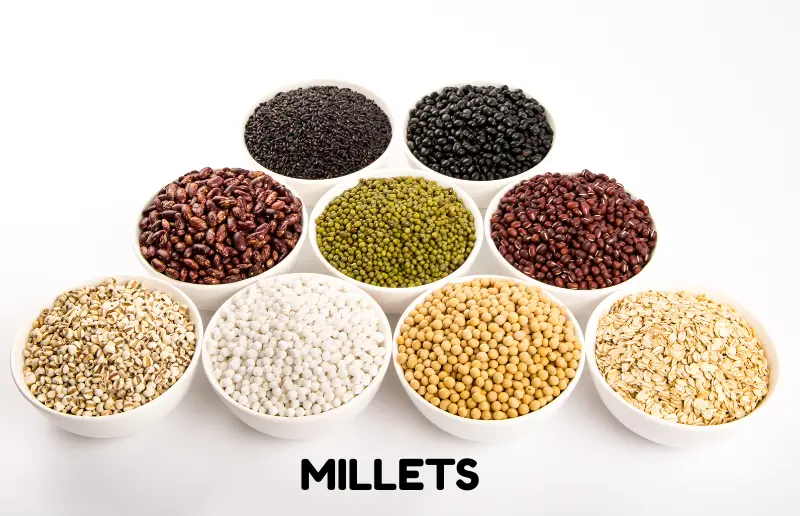
Diabetes is one of the fastest-growing health concerns worldwide. Millions of people are now living with high blood sugar levels, which, if left unmanaged, can lead to serious health problems such as heart disease, kidney damage, and nerve issues. While medicines and regular checkups play an important role, the foundation of diabetes care begins with what we eat.
Thank you for reading this post, don't forget to subscribe!In recent years, traditional grains like millets have gained popularity as natural, wholesome foods for better health. Once considered the food of our ancestors, millets are now making a comeback in modern kitchens. For people with diabetes, they are a smart alternative to refined carbohydrates such as white rice and wheat.
This blog explains why millets are beneficial for diabetes management, which types are the best, and how you can include them in your everyday meals.
What Are Millets?
Millets are small-seeded grains that have been consumed for thousands of years, especially in Asia and Africa. They grow easily in dry regions, require fewer resources, and are packed with nutrition. Unlike polished rice or refined wheat, millets are whole grains, which means they retain their outer layer (bran), providing more fiber and nutrients.
There are different varieties of millets, including:
- Foxtail millet
- Finger millet (Ragi)
- Pearl millet (Bajra)
- Little millet
- Barnyard millet
- Kodo millet
- Sorghum (Jowar)
Each type has unique benefits, but all of them are known for being high in fiber, protein, and essential minerals.
Why Millets Are Beneficial for Diabetes Patients
1. Low Glycemic Index (GI)
The Glycemic Index (GI) measures how quickly a food raises blood sugar levels. Foods with a high GI, like white rice and white bread, cause sugar spikes. Millets, on the other hand, have a low to medium GI, meaning they release sugar slowly into the bloodstream. This helps maintain steady energy levels and prevents sudden sugar rises.
2. Millets are High in Dietary Fiber
Millets are rich in dietary fiber, which plays a key role in controlling diabetes. Fiber slows down digestion, allowing sugar to enter the blood gradually. It also improves digestion, prevents constipation, and helps in maintaining a healthy gut.
3. Packed with Essential Nutrients
Millets are more than just a carbohydrate source. They are full of nutrients such as:
- Magnesium – helps in better glucose metabolism.
- Iron – supports healthy red blood cells and energy.
- B vitamins – boost metabolism and reduce fatigue.
- Calcium (especially in ragi) – supports bone strength.
These nutrients are especially important for people with diabetes, who are at higher risk of deficiencies.
4. Millets Supports Weight Management
Being overweight is one of the biggest risk factors for type 2 diabetes. Millets help with weight control because they keep you full for a longer time. The high fiber content reduces hunger pangs and prevents overeating. Replacing refined foods with millets can help maintain a healthy body weight.
5. Healthy Alternative to Refined Carbs
Most traditional diets today are overloaded with refined rice and flour. These foods digest quickly and spike blood sugar. By switching to millets, you replace empty calories with nutrient-rich whole grains that keep blood sugar stable. For example, foxtail millet has a much lower GI compared to white rice.
6. Heart Health Benefits
People with diabetes are more likely to develop heart problems. Millets naturally reduce bad cholesterol and improve good cholesterol. They also help improve blood circulation, reducing the risk of heart disease.
7. Gluten-Free and Easy to Digest
Millets are naturally gluten-free, making them a great choice for people with both diabetes and gluten intolerance. They are also easy on the stomach and suitable for daily consumption.
Best Millets for Diabetes
Not all millets have the same benefits. Here are some of the best options for diabetes patients:
- Foxtail Millet – low GI, improves blood sugar balance, easy to cook.
- Finger Millet (Ragi) – rich in calcium and fiber, supports bone health along with sugar control.
- Barnyard Millet – one of the lowest GI among all millets, highly recommended for diabetics.
- Little Millet – high fiber and antioxidants, supports digestion.
- Pearl Millet (Bajra) – rich in magnesium and potassium, good for heart health.
- Sorghum (Jowar) – packed with protein and fiber, helps in weight management.
How to Include Millets in Your Daily Diet
The good thing about millets is that they are versatile and can replace rice or wheat in many recipes. Here are some simple ways to add them to your meals:
- Replace white rice with cooked millet in your main meal.
- Millet porridge for breakfast, either sweetened with natural sweeteners or spiced with vegetables.
- Millet rotis, dosas, or idlis using millet flour.
- Millet upma or pulao with fresh vegetables.
- Millet snacks like roasted millet puffs.
? Tip: Always soak millets before cooking to make them softer and easier to digest.
Precautions While Consuming Millets
While millets are healthy, moderation is important. Eating too much may cause bloating or stomach discomfort in some people. Also, relying only on one type of millet is not ideal – balance your diet with a variety of whole grains, proteins, and vegetables.
It’s best to consult a nutritionist or doctor before making major changes to your diet, especially if you are on diabetes medication.
Conclusion
Millets are a powerful, natural ally in managing diabetes. Their low glycemic index, rich fiber content, and nutrient profile make them a healthier alternative to refined grains like rice and wheat. Regular inclusion of millets in the diet can help stabilize blood sugar, support weight management, and improve overall wellness.
? At Punarjith Ayurveda, we believe in combining the wisdom of Ayurveda with practical dietary guidance to support long-term health. Along with wholesome foods like millets, our holistic approach helps individuals manage diabetes naturally and improve their quality of life.
Explore our Ayurveda-based health guidance and wellness support to take the next step toward balanced living.