
Rising Obesity Among Indian Married Couples: An Ayurvedic Approach to Heart & Weight Health
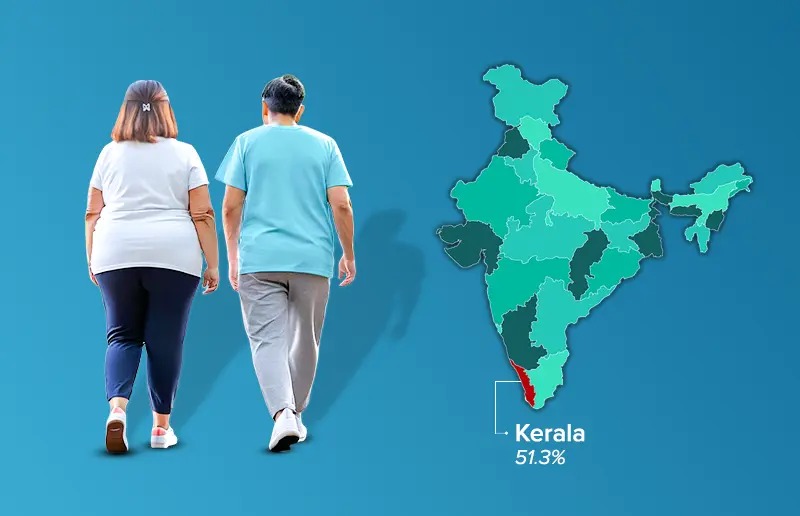
Obesity is no longer just a Western concern – it has become a growing health challenge in India. A recent national study revealed that 1 in 4 Indian married couples are obese, with several states reporting alarmingly high levels of obesity among partners. Kerala, for instance, tops the list, where more than 51% of married couples are either overweight or obese.
Thank you for reading this post, don't forget to subscribe!This finding is not just about numbers. It reflects a larger lifestyle shift in our society – urbanization, sedentary jobs, processed food consumption, stress, and reduced physical activity are silently increasing the burden of obesity and related lifestyle diseases like cholesterol imbalance, diabetes, hypertension, and cardiovascular issues.
In this blog, let us explore:
- What the study reveals about obesity in Indian couples.
- Why Kerala shows the highest prevalence of obesity.
- Why obesity is a growing health concern.
- The deep connection between obesity and cholesterol.
- Lifestyle and dietary factors worsen the problem.
- Ayurvedic perspective on obesity and hyperlipidemia.
- Natural solutions, including Medhafine Tablet, for managing cholesterol and cardiovascular risk.
What the Numbers Say – Obesity in India
The study shows that:
- Southern states have the highest prevalence of obesity in married couples at 37.2%.
- Northern states follow at 33.5%.
- Eastern states show the lowest prevalence at 19.4%.
Among individual states, some stand out with very high numbers:
- Kerala – 51.3% (highest in India)
- Manipur – 47.9%
- Jammu & Kashmir – 48.5%
- Delhi – 47.1%
- Goa – 45%
- Tamil Nadu – 42.7%
- Punjab – 42.5%
Why is Kerala’s Obesity Rate the Highest?
Kerala, known for its high literacy and healthcare access, paradoxically reports the highest obesity rates in the country. Several lifestyle and cultural factors explain this trend:
- Dietary Patterns
- Kerala’s cuisine, though diverse, often includes carb-heavy staples like rice along with frequent use of coconut oil and fried foods.
- The rise of fast-food chains and packaged snacks has further increased calorie intake.
- Sedentary Lifestyle
- With modernization, daily physical activity has reduced. Many people now work desk jobs or migrate abroad, adopting less active lifestyles.
- Urban areas in Kerala show particularly low participation in regular exercise.
- Higher Life Expectancy
- Kerala has one of the highest life expectancies in India. With age, metabolism slows, and obesity-related diseases become more prevalent.
- Socio-Economic Factors
- Better purchasing power has led to higher consumption of processed foods and beverages.
- Easy access to comfort foods contributes to overeating.
- Cultural Habits
- Food plays a central role in Kerala’s festivals, social gatherings, and family traditions. Frequent feasting often leads to calorie surplus.
- Health Paradox
- Ironically, better healthcare awareness has reduced undernutrition but at the same time increased overnutrition.
This combination of factors explains why Kerala, despite its health awareness, faces the highest obesity burden in India.
Why Obesity Matters
Obesity is far more than just an appearance-related issue. It is a serious medical condition that affects the body’s metabolism, hormones, and long-term health. When both partners in a household are overweight or obese, their lifestyle habits—such as food choices, physical activity levels, and daily routines—tend to set the standard for the whole family. Children, in particular, are highly influenced by these patterns, which significantly increases the likelihood of childhood obesity and related health risks from an early age.
Health Risks Linked to Obesity
-
Diabetes (Type 2)
-
Excess body fat makes the body resistant to insulin, the hormone that regulates blood sugar.
-
Over time, this resistance leads to persistently high blood sugar levels, eventually causing diabetes.
-
-
High Cholesterol & Triglycerides (Hyperlipidemia)
-
Obesity is closely linked with abnormal lipid profiles.
-
High levels of “bad cholesterol” (LDL) and triglycerides, combined with low “good cholesterol” (HDL), increase the risk of fatty deposits in arteries.
-
-
Heart Disease & Stroke
-
Excess fat leads to plaque buildup in blood vessels (atherosclerosis).
-
Narrowed arteries raise the risk of heart attack, stroke, and other cardiovascular complications.
-
-
High Blood Pressure (Hypertension)
-
Extra body weight increases the workload on the heart.
-
Blood vessels become stiffer, making it harder for blood to flow, which raises blood pressure.
-
-
Hormonal Imbalances
-
Fat tissue produces hormones and inflammatory chemicals that disrupt the body’s natural balance.
-
This can lead to thyroid issues, metabolic syndrome, and complications in reproductive health.
-
-
Joint Problems & Arthritis
-
Excess weight places pressure on weight-bearing joints such as knees and hips.
-
This accelerates wear and tear, leading to osteoarthritis and reduced mobility.
-
-
Reduced Fertility
-
Obesity affects hormone levels in both men and women.
-
In women, it can disrupt ovulation, while in men it can lower testosterone and sperm quality.
-
The Most Concerning Link: Obesity & Cholesterol
One of the most dangerous consequences of obesity is its effect on cholesterol and lipid levels. When bad cholesterol (LDL) and triglycerides rise, and good cholesterol (HDL) drops, fatty deposits accumulate in blood vessels. This directly compromises cardiovascular health, increasing the risk of:
-
Coronary artery disease
-
Heart attack
-
Stroke
-
Sudden cardiac death
This connection makes obesity not just a matter of body weight but a critical risk factor for life-threatening heart conditions.
Obesity and Cholesterol – A Dangerous Duo
Cholesterol is a fatty substance essential for many body functions. But when it becomes imbalanced – with high LDL (bad cholesterol) and triglycerides, and low HDL (good cholesterol) – it leads to plaque formation in arteries, restricted blood flow, and cardiovascular disease.
Obesity worsens cholesterol imbalance in several ways:
- Excess fat tissue increases the production of triglycerides.
- A sedentary lifestyle lowers HDL (good cholesterol).
- High-calorie diets with refined oils and sugar raise LDL and total cholesterol.
- Obesity-related insulin resistance further aggravates lipid imbalance.
This explains why obese individuals often face a higher risk of heart attacks, strokes, and fatty liver disease.
Lifestyle & Diet Factors Contributing to Obesity
The rise in obesity among Indian couples is not just genetic – it is largely lifestyle-driven. Key reasons include:
- Dietary Habits
- High intake of refined carbs (white rice, maida, sweets).
- Processed and packaged foods high in trans fats.
- Increased consumption of sugary beverages.
- Eating late at night.
- Sedentary Lifestyle
- Desk jobs with little movement.
- Over-dependence on vehicles.
- Lack of regular exercise.
- Stress & Sleep Issues
- High stress leads to emotional eating.
- Poor sleep affects metabolism and fat storage.
- Social & Cultural Factors
- Celebrations and gatherings often center around heavy food.
- Lack of awareness about healthy portion sizes.
Ayurveda does not merely look at weight reduction – it focuses on balancing metabolism, detoxification, and strengthening digestion to achieve sustainable health.
Ayurvedic Recommendations:
- Diet: Light, easily digestible, warm foods. Avoid fried, oily, and heavy items.
- Exercise: Daily yoga, walking, and pranayama for better metabolism.
- Detox: Panchakarma therapies like Virechana (purgation) help remove toxins.
- Herbal Support: Herbs like Triphala, Guggulu, and Chitraka help regulate cholesterol and improve fat metabolism.
Practical Lifestyle Tips for Weight & Cholesterol Management
- Start Your Day Right
- Warm water with lemon or herbal decoctions.
- Avoid tea/coffee on an empty stomach.
- Mindful Eating
- Eat freshly cooked meals.
- Prefer small, frequent meals.
- Include fiber-rich foods like vegetables, oats, and whole grains.
- Stay Active
- At least 30–45 minutes of walking, yoga, or cycling daily.
- Take short breaks from sitting every hour.
- Manage Stress
- Practice meditation or breathing exercises.
- Ensure 7–8 hours of sound sleep.
- Avoid Harmful Habits
- Cut down on alcohol and smoking.
- Reduce deep-fried and sugary foods.
Medhafine Tablet – Ayurvedic Medicine for Cholesterol Management
In today’s fast-paced lifestyle, obesity and high cholesterol have become intertwined challenges. This is where Ayurveda offers a safe and sustainable solution. Medhafine Tablet, from Punarjith Ayurveda, is designed to help those struggling with cholesterol imbalance, obesity, and hyperlipidemia.
Made with time-tested herbs like Thriphala, Guggulu, and Chitraka, it helps regulate lipid profiles by lowering LDL and triglycerides while supporting healthy HDL levels. Beyond cholesterol control, it also improves digestion, enhances metabolism, and supports liver function – making it a holistic choice for long-term cardiovascular health.
Conclusion
The rising obesity trend among Indian couples – especially the high prevalence in Kerala – is a wake-up call. Left unchecked, it can lead to a lifetime of health complications – from diabetes to heart disease. But with awareness, lifestyle corrections, and the wisdom of Ayurveda, this tide can be reversed.
By following a balanced diet, staying active, managing stress, and using Ayurvedic support like Medhafine Tablet, individuals can not only manage obesity and cholesterol but also safeguard their long-term heart health.