
Cholesterol Warning Signs You’re Seeing Every Day — But Ignoring
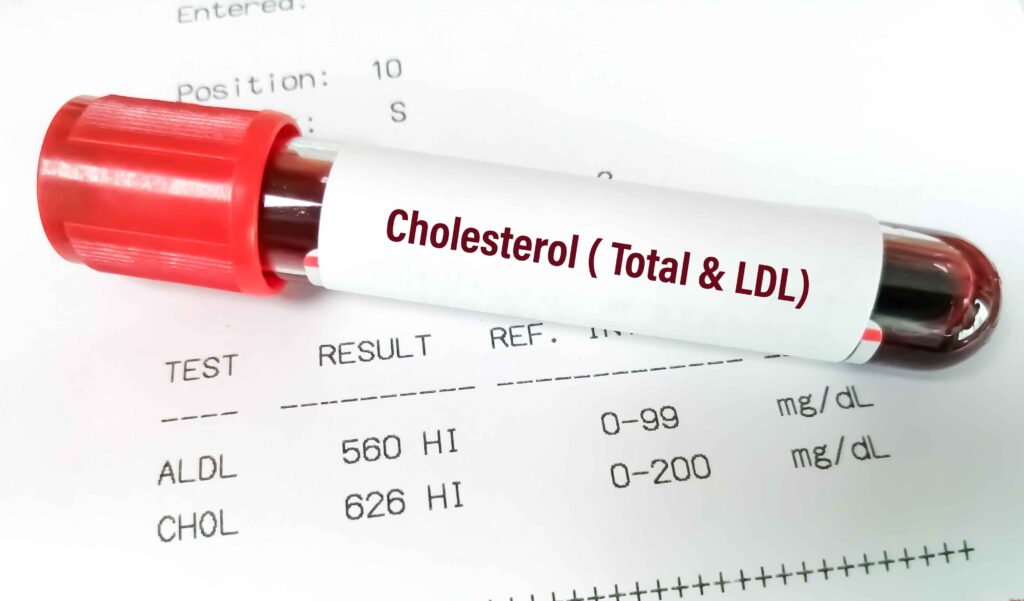
High cholesterol doesn’t announce itself with loud symptoms. It builds quietly — in your arteries, in your energy levels, in the subtle signals your body sends that are easy to dismiss as “just getting older.” Understanding these warning signs early can make the difference between prevention and crisis.
Thank you for reading this post, don't forget to subscribe!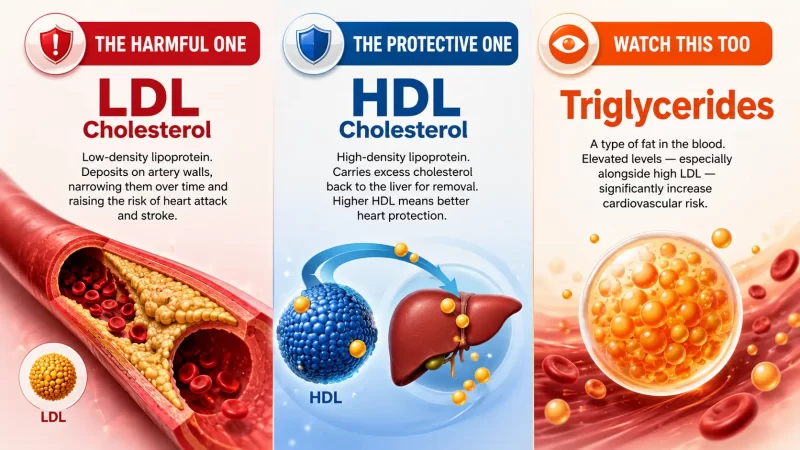
Know the Signs
Cholesterol Warning Signs You Might Be Missing
Because high cholesterol rarely causes pain, most people only discover it through a blood test — often after damage has already begun. But the body does send earlier signals. Here’s what to watch for in daily life:
?
Unusual Fatigue and Low Energy
When arteries begin to narrow, the heart works harder to pump blood. This extra effort manifests as persistent tiredness — especially when you haven’t changed your sleep habits or activity level. If you find yourself exhausted without clear cause, it’s worth investigating.
?
Frequent Headaches — Especially at the Back of the Head
Thickened, narrowed arteries can affect blood flow to the brain, causing recurring headaches — particularly at the back of the head or neck. While headaches have many causes, persistent ones without obvious triggers deserve attention.
?
Shortness of Breath During Light Activity
Finding yourself breathless while climbing a short flight of stairs, walking to the shop, or doing basic household tasks is a significant warning sign. It suggests the heart is under increased strain — often due to reduced blood flow caused by arterial narrowing.
?
Heaviness or Cramping in the Legs
Cholesterol deposits don’t just affect the heart — they accumulate in peripheral arteries too. Cramping, heaviness, or a numb ache in the calves and thighs — especially when walking — can be a sign of peripheral arterial disease caused by reduced blood flow.
?
Xanthomas — Yellowish Deposits on Skin
Small, yellowish bumps or patches around the eyes, elbows, knees, or on the hands are called xanthomas — fatty deposits under the skin caused by very high cholesterol levels. If you notice these, it’s a direct visible sign that cholesterol levels need immediate attention.
?
Irregular or Racing Heartbeat (Palpitations)
When cholesterol plaques build up in arteries, the heart may beat irregularly as it compensates for reduced blood flow. Occasional palpitations might feel like a skipped beat, a flutter, or an unusually fast pulse — especially at rest or during mild activity.
?
Digestive Problems and Bloating After Meals
The liver plays a central role in cholesterol regulation. When it’s overwhelmed, digestion slows — leading to bloating, nausea, a heavy sensation after eating, or frequent indigestion. This is often an early sign that metabolic balance is disrupted, long before heart symptoms appear.
?
Memory Fog and Difficulty Concentrating
Reduced blood flow to the brain — caused by narrowed arteries — can affect cognitive sharpness. Difficulty remembering things, brain fog, or trouble focusing on tasks you used to manage easily may not always be stress or aging. Cholesterol could be a factor worth testing.
Seek Immediate Medical Help
Chest pain, sudden numbness in the arm or face, severe shortness of breath, or dizziness are emergency symptoms. These may indicate a heart attack or stroke — call emergency services immediately and do not wait.
Root Causes
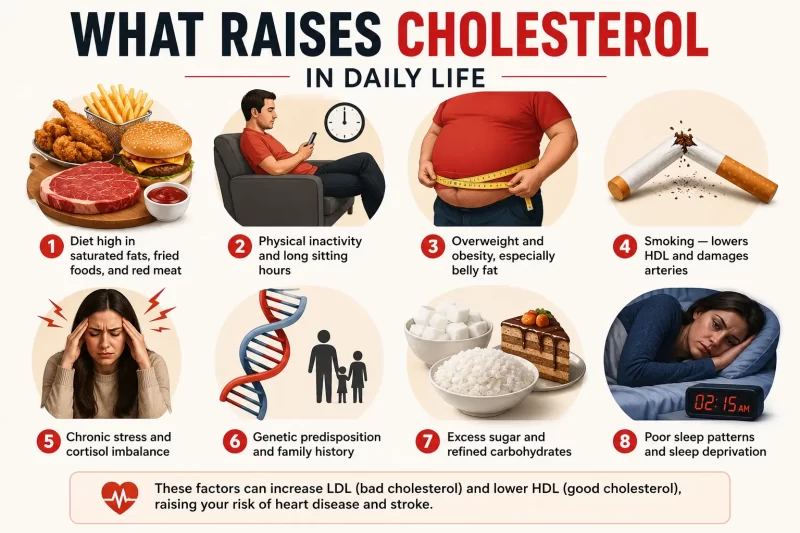
What Raises Cholesterol in Daily Life
Cholesterol rarely rises because of one single cause. It is typically the result of several lifestyle factors compounding over months and years:
Eat for Your Heart
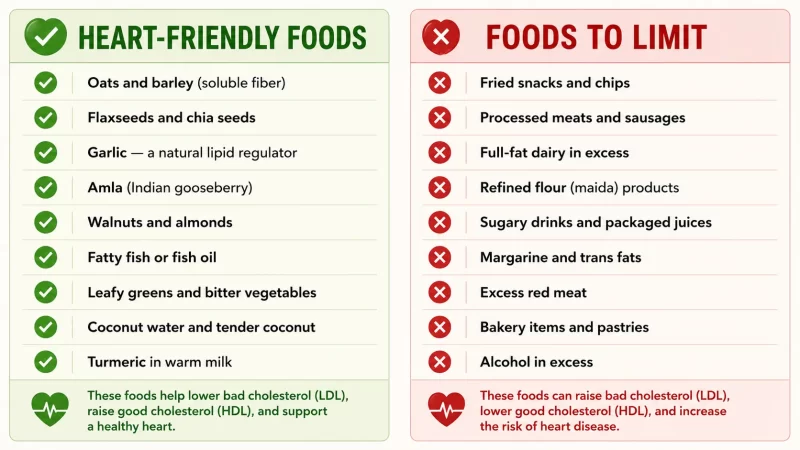
Foods That Help — and Foods That Hurt
What you eat every day has a direct and measurable effect on your cholesterol levels. The good news is that the right food choices can raise protective HDL, lower harmful LDL, and begin reversing damage — often within weeks of consistent change.
5 Lifestyle Changes That Make a Real Difference
Medication and supplements support the process — but lasting cholesterol balance is built through daily habits. These five changes, practiced consistently, are among the most effective non-medical interventions documented for cardiovascular health.
Move for at Least 30 Minutes Daily
Regular physical activity directly raises HDL (good cholesterol) while reducing LDL and triglycerides. You don’t need a gym — a brisk 30-minute walk, cycling, or swimming done consistently five times a week produces measurable improvements in lipid profiles within 6–8 weeks.
Quit Smoking and Limit Alcohol
Smoking actively lowers HDL and inflames artery walls — making cholesterol deposits far more dangerous. Quitting smoking produces rapid improvements in HDL levels, often within weeks. Alcohol, in excess, raises triglycerides significantly and should be kept to a minimum.
Manage Stress Actively
Chronic stress raises cortisol, which in turn raises LDL cholesterol and lowers HDL. Pranayama, meditation, regular time in nature, and adequate sleep are not luxuries — they are direct cardiovascular interventions. Even 10 minutes of breathwork daily has documented benefits on stress hormones and lipid levels.
Sleep 7–8 Hours Every Night
Sleep deprivation disrupts the body’s lipid metabolism. People who regularly sleep less than 6 hours show significantly higher LDL and lower HDL levels than those with adequate rest. Protect your sleep as seriously as you protect your diet.
Get Your Levels Tested Regularly
Because high cholesterol is largely silent, a simple blood test (lipid profile) is the only reliable way to know your numbers. Anyone over 30 — or younger with risk factors — should test at least once a year. Knowing your baseline is the foundation of every intervention.
Final Thought
Your Heart Speaks in Whispers Before It Shouts
The warning signs of high cholesterol are easy to dismiss — fatigue blamed on a busy week, breathlessness blamed on age, headaches blamed on screen time. But these whispers deserve attention. The earlier you respond, the more reversible the damage.
Start with the daily habits in this guide. Change what’s on your plate. Move your body. Reduce stress. Get tested. These are not difficult steps — they are small, consistent choices that compound into a lifetime of cardiovascular protection.
For those looking for natural Ayurvedic support alongside these lifestyle changes, MedhaFine Tablet from Punarjith Ayurveda is formulated specifically for cholesterol and heart health.